

Welcome to the DataBench Blog site where we will continue to post a series of relevant privacy related topics. To get things going we thought we might kick off with one of the most prominent

Brisbane startup DataBench has appointed its first external CEO with founder David Christmas handing over the reins to veteran APAC technology executive Paul Muller. Muller has been an advisor to the automated data privacy

In this article, we review the importance of Privacy Assessments in relation to data privacy in Australia. The Importance of Privacy Assessments & Privacy Management Data protection impact assessments and privacy impact assessments, also known

Have you ever thought “How to I delete my personal information from the Internet?” Consider this: How much personal information have you posted online, most of it likely forgotten? You could have unintentionally posted
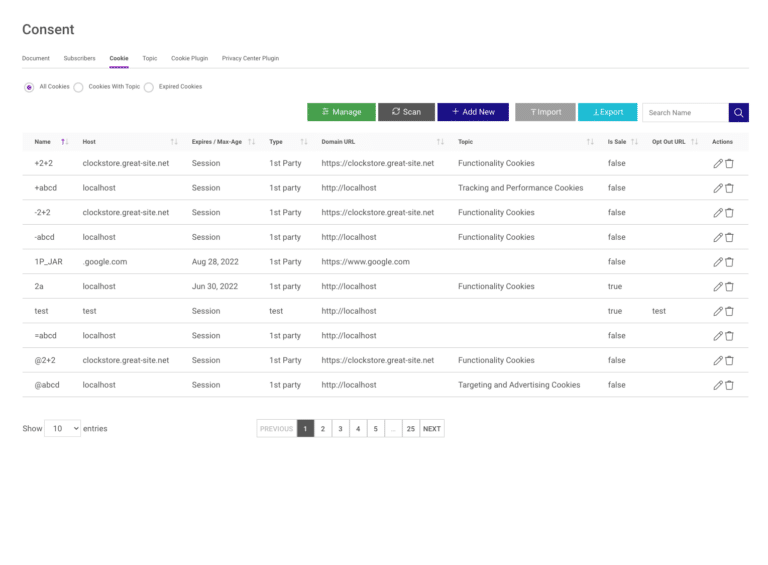
In this article, we review aspects of Cookie Consent Compliance in relation to data privacy in Australia. The privacy act in Australia makes it necessary for every website to include a privacy policy that informs

It’s important to know your privacy right and understand privacy regulations and privacy legislation. Information regarding data collection, use, publication, and archiving practices, especially those that involve sensitive data, can be found in a company’s

Data Protection – act now in Australia and learn about consumer data privacy laws. These laws refer to how sensitive personal data provided by customers during routine business transactions are handled and protected. The internet

In this article we review aspects of the Australian Privacy Act 1988 and its principles. As a registered business entity in Australia, you are required to comply with the Australian Privacy Act and Australian privacy

The mapping of personal data is the process of creating a link between personal data in one system or database and personal data in another system or database. This can be done to transfer personal

Structured data is information that is organised into a specific format. It is used to describe and organise information in databases, spreadsheets, and other types of data storage systems. It has a wide range of

Unstructured data does not have a pre-defined format or structure and is not organised in a predefined manner. It is considered unorganised which makes it difficult to use traditional data analysis methods to extract insights